Faith-based trips have long played an important role in spiritual growth, fellowship, and renewal. Traditional church retreats, often held at camps or conference centers, give participants time away from daily distractions to focus on prayer, worship, and community. These trips create a safe environment for reflection and relationship-building, allowing people to deepen their faith while strengthening bonds with others who share similar values. For many congregations, retreats remain a cornerstone of faith formation, offering structured teaching, group discussions, and moments of quiet spiritual renewal that are difficult to achieve in everyday life.
Engaging The Younger Generation

However, engaging the younger generation often requires rethinking the format of faith-based travel. While young people value spirituality, they are also drawn to experiences that are interactive, memorable, and relevant to their lives. Rather than replacing traditional retreats, churches can expand their approach by incorporating trips that blend faith with adventure, service, and fun. These experiences can meet younger participants where they are, showing them that faith is not confined to a sanctuary but can be lived out in diverse settings.
Alternative Faith-Led Adventures
 One alternative idea is faith-led adventure trips. Activities such as hiking excursions, beach weekends, or outdoor challenge courses can be paired with devotional moments and group reflection. For example, a trip to Virginia Beach could include morning prayer by the ocean, followed by an afternoon at Motor World VA Beach VA, where go-kart racing and attractions provide excitement and shared memories. Experiences like Motor World may seem purely recreational at first glance, but when framed intentionally, they can foster fellowship, joy, and conversations about teamwork, sportsmanship, and gratitude. These shared experiences often break down social barriers and help younger participants connect more naturally with peers and mentors.
Traditional, Service-Oriented Trips
Service-oriented trips are another powerful alternative. Mission trips focused on local or regional needs—such as disaster relief, community clean-ups, or volunteering with shelters—allow young people to put faith into action. These trips emphasize compassion and social responsibility, values that resonate strongly with younger generations. When paired with reflection sessions that connect service to spiritual teachings, these trips help participants see the real-world impact of their beliefs.
Cultural Education Benefits
Cultural and educational faith trips also offer fresh engagement. Visiting historical religious sites, attending faith-based conferences, or exploring cities with rich spiritual heritage can appeal to young people who enjoy learning and travel. Adding interactive elements, such as small-group discussions, creative workshops, or social media storytelling projects, can make these trips feel more relevant and participatory.
The goal of faith-based trips—whether traditional retreats or modern alternatives—is the same: to nurture spiritual growth and community. By incorporating destinations like Motor World Virginia Beach VA alongside intentional faith practices, churches can create balanced experiences that honor tradition while embracing creativity. These innovative approaches help younger generations see faith as dynamic, relational, and woven into every part of life, making them more likely to stay engaged and invested for years to come.
 In addition to personnel, physical safety measures play a crucial role in safeguarding children. One straightforward yet highly effective measure is
  Beyond structural upgrades, communication and preparedness are essential components of student safety. Faith-based schools are implementing regular safety drills, including lockdowns, fire evacuations, and severe weather response exercises, to ensure that students and staff know exactly how to react under pressure. Clear communication channels—through intercoms, emergency alerts, and staff training—allow for rapid coordination in the event of a threat. Many schools also work closely with local law enforcement to develop emergency response plans tailored to their specific campus layouts and community needs. These collaborations extend to the broader church community, helping families understand safety protocols and reinforcing a culture of vigilance without creating an atmosphere of fear.
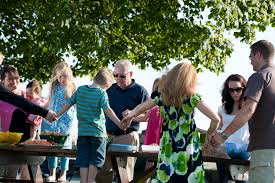 The best thing about attending church is the fact that you get to meet and greet others in the community. There is no denying that people enjoy meeting others when they know already that they have similar interests. However, nothing is more fun or beautiful than when that meeting takes place in the great outdoors. This does require some outdoor church gathering preparations though if you want it to be a success.
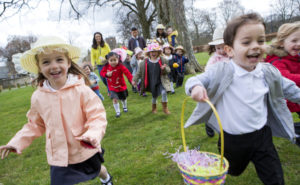 There are church gatherings outdoors for all types of special events and holidays. They include music events, Easter egg hunts, Halloween events for the kids, and so much more. All occasions can be hosted and enjoyed by all church members. The best events though, according to most all members is the BBQ dinners that are hosted by the church when sometimes everyone can bring a dish that they enjoy creating. It adds a little more personality to the event and more fun when people get to try a host of new, tasty, flavors.
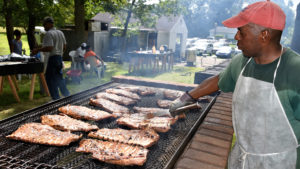 Any outdoor event plan starts with the first thought of spring and summer. There may be autumn events outdoors as well, but most often, spring and summer are when it matters most. They are the seasons of outdoor fun for all ages. The season depicts what type of planning must go into your events. If you are planning for a spring event, you will want to make sure that you have pest control, under control. One excellent option is mosquito traps.
 When it comes to church services, the goal is to learn and rejoice. People enjoy being around similar minded people, families, who share their values and their beliefs. When they go, they want to go as a family. It is what makes a family unit more complete. However, they want to know that their children, even those that are very young, can attend, without worry. They want to know that kids will not interrupt the services and remain safe when they are there. This is why nurseries are in virtually every church. They accommodate kids of all ages, even the smallest infants.
 Churches may have access to tap water in the nursery for mixing bottles. Snacks or finger foods for toddlers. They may have a comfortable
  Attending church is a family event, as it should be. Everyone should know the value of believing in a higher power and living by a moral code. However, not all places and services are ideal for all age groups within the church. This means that many churches have special areas set aside for children and infants who may not be able to sit through actual services. It is a good idea and it frees up the parents to truly listen without worry about their children, but it does also mean that churches must put extra effort into baby safety at mass.
 Churches are a place of learning, believing, and rejoicing for parents. They are designed to help people understand the word of God, Jehovah, or other “higher beings” that you may believe the words of. No one can enjoy it if they feel that their kids are not safe there. They will not be able to relax and hear the spoken words if their baby is fussing in the pews. This is why kids need their own special space.